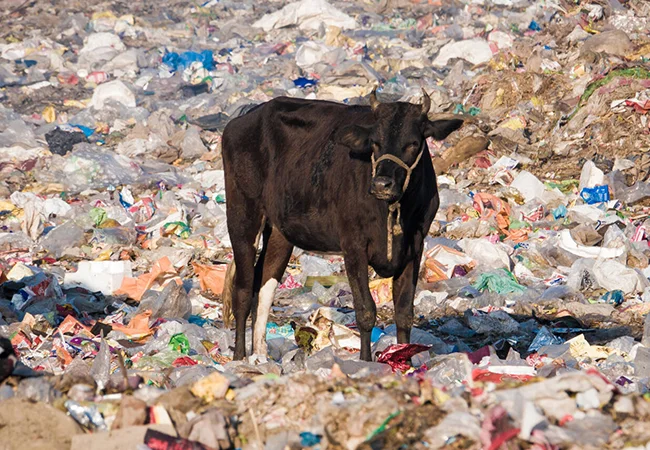

Waste pickers and informal waste workers have often filled in the gaps where local governments have not been able to manage efficient waste management services. They divert a significant quantity of materials from the waste stream. It is estimated that waste pickers are responsible for recycling almost 20% of the country’s waste.
Recycling is one of the cheapest, fastest ways to reduce greenhouse gas emissions. Reuse and recycling of materials decreases the amount of virgin materials needed for production, conserving natural resources and energy while reducing air and water pollution. Recycling reduces emissions 25 times more than incineration does.
Waste pickers recover materials for recycling, reduce municipal solid waste handling costs, generate employment downstream and contribute to public health and environment. However, when it comes to benefits they get out of the system, there is an increasing tendency to look for quick fix and short term solutions rather than sustainable means of ensuring that lives of waste pickers is enhanced.
We consider waste-pickers to be an integral part of the waste value chain, sourcing directly from them allows us to pass on the maximum value of transactions directly to them- further enabling is to pay them between 20% to 50% more for their waste, while being able to keep cost of final processed product competitive to virgin plastic prices.
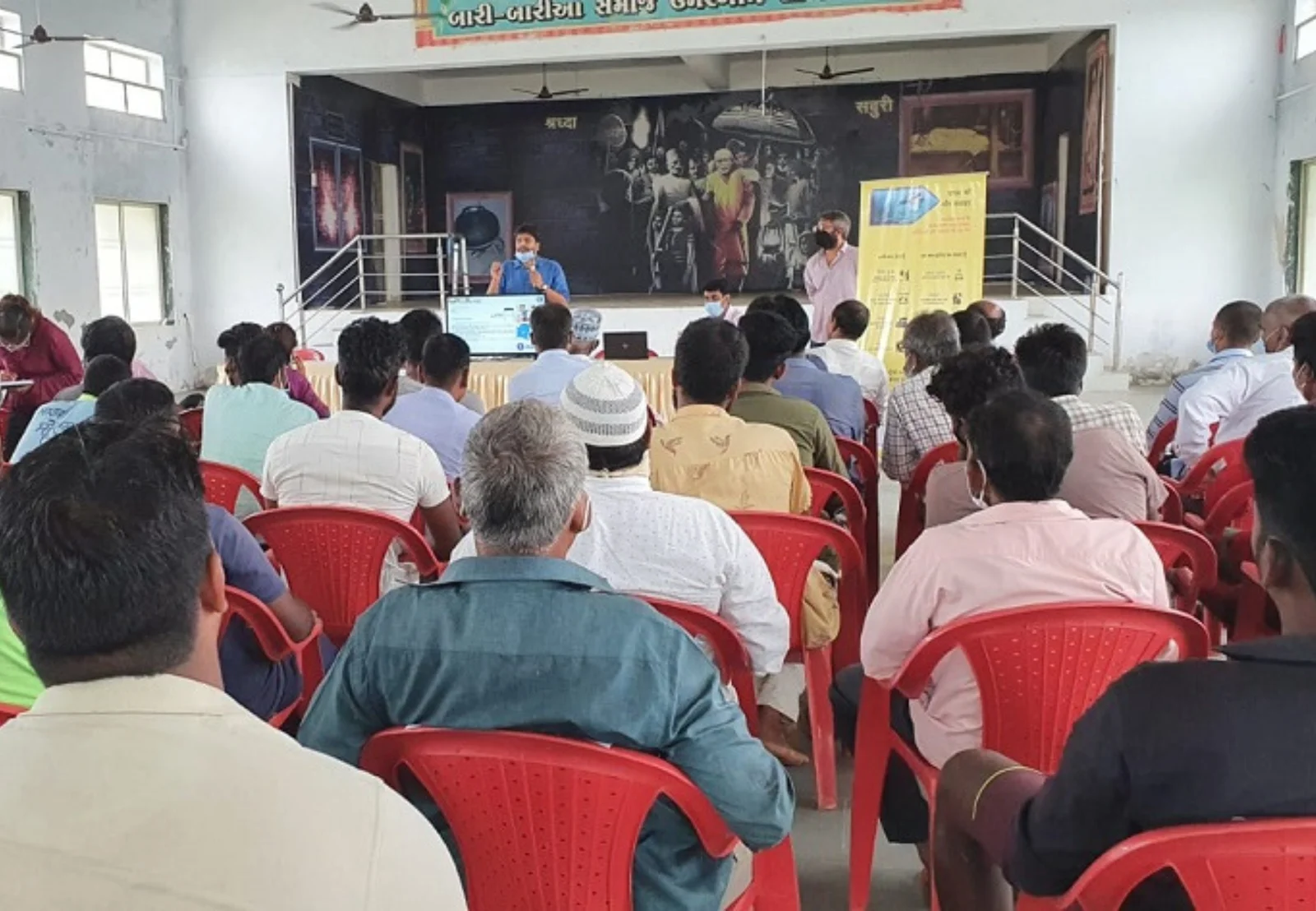
To ensure that this very important part of the waste value chain is brought into the formalized chain, in partnership with our local Nagar Nigam, we organized a seminar for waste pickers.
Highlights of our seminar for Umergam waste-pickers:
Our aim

Attendance

Outcome