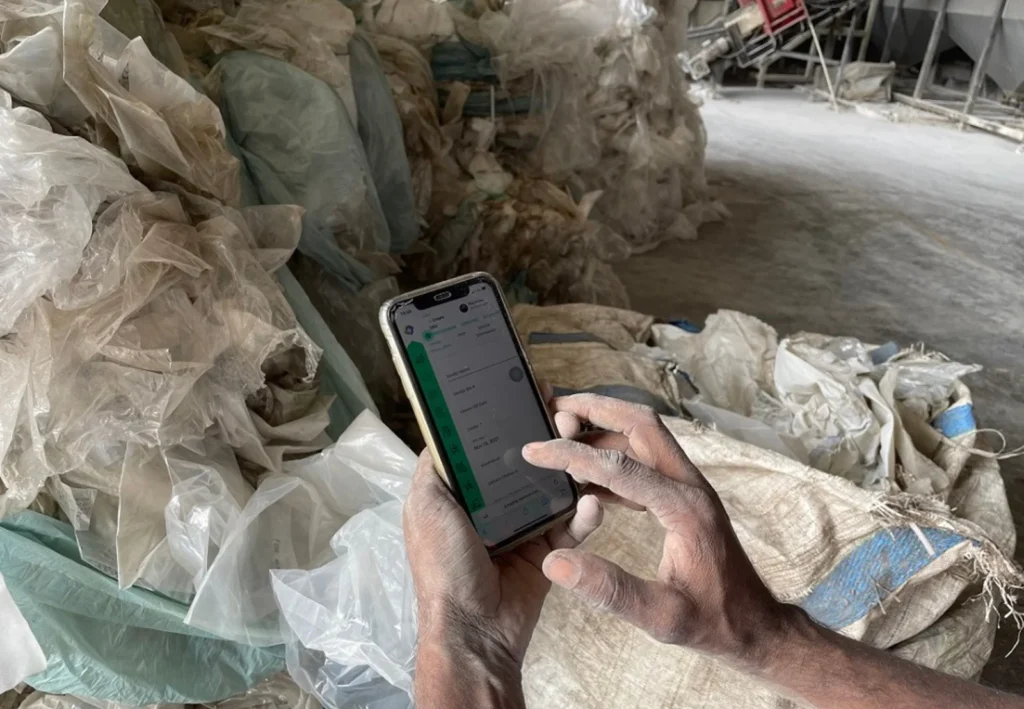

Across India, waste pickers and informal waste workers have long filled the gaps where formal waste management systems fall short. These individuals are the unsung heroes of our cities—quietly diverting enormous quantities of waste from landfills and giving materials a second life. It’s estimated that they are responsible for recycling nearly 20% of the country’s total waste.
Recycling is not just an environmental action—it’s one of the most cost-effective and immediate ways to combat climate change. By reducing the need for virgin material extraction, recycling conserves natural resources, saves energy, and significantly cuts pollution. In fact, recycling is 25 times more effective at reducing emissions compared to incineration.
Despite their critical role, waste pickers often remain at the margins of the system—undervalued, underpaid, and overlooked. While they recover valuable materials, reduce municipal handling costs, and contribute to public health, the benefits they receive are often fragmented and short-term. Sustainable, long-term solutions to improve their livelihoods are urgently needed.
At Lucro, we believe waste pickers are not just part of the system—they are the system. That’s why we prioritize direct sourcing from waste pickers, allowing us to pass on the maximum value of each transaction straight to them. This model enables us to pay 20% to 50% more for their materials, while still keeping the cost of our processed products competitive with virgin plastic.
In collaboration with local Nagar Nigams, we organize training seminar to support and uplift the waste-picking (our safai saathi) community. The goal is simple: empower them with knowledge, tools, and access—to help them realize the full value of the work they already do.


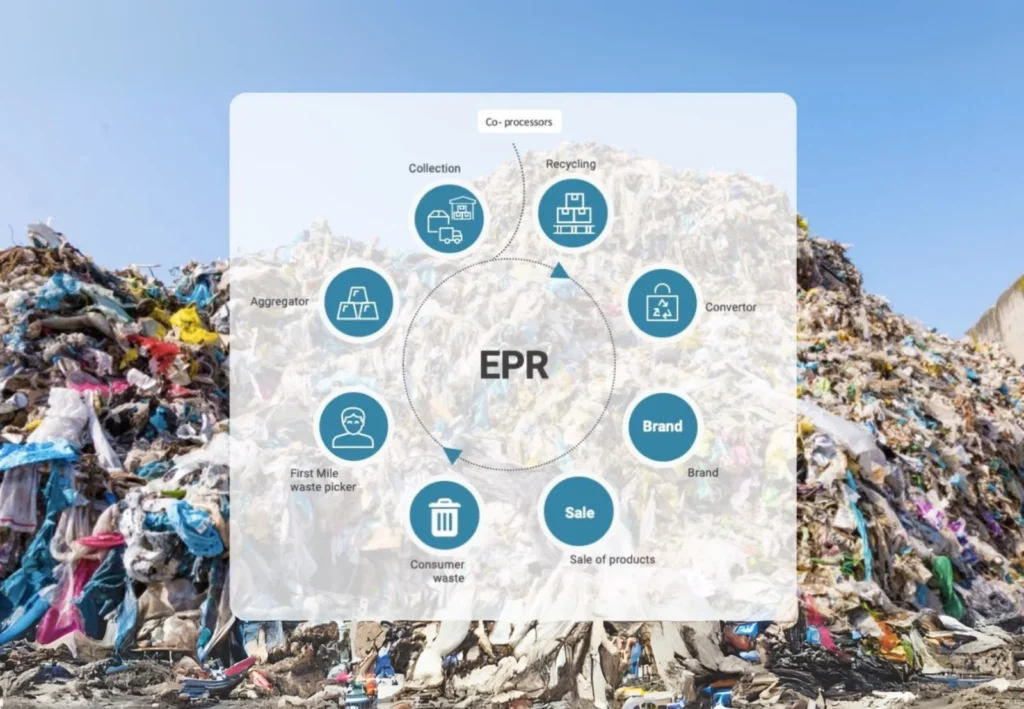
By bringing waste pickers into the formal value chain and equipping them with the right support, we’re not just building a more efficient recycling system—we’re recognizing human dignity, improving livelihoods, and creating a circular economy that works for everyone.