Automotive manufacturers are under increasing pressure to incorporate recycled content without compromising safety, processability or component performance. This is making Recycled Polypropylene increasingly relevant across interior, exterior and non-visible automotive applications.
However, not all recycled PP is the same. Two commonly discussed feedstock routes are general PCR polypropylene and ELV grade Polypropylene recovered from end-of-life vehicles.
For OEMs and Tier-1/Tier-2 suppliers, selecting between them requires more than comparing recycled-content percentages. Feedstock origin, contamination control, mechanical properties, processing consistency and traceability all affect whether a grade is suitable for a specific component.
What Is the Difference Between PCR and ELV Granules?
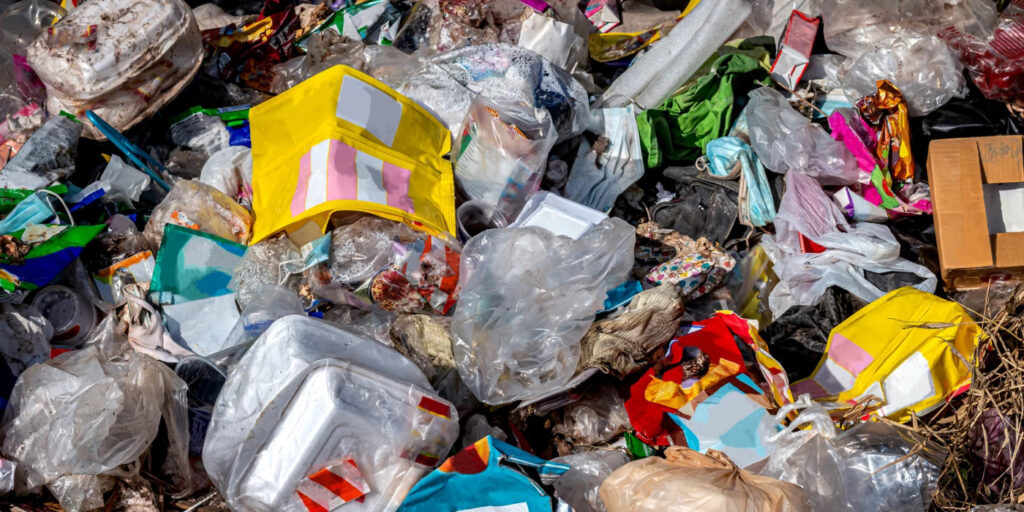
PCR, or post-consumer recyclate, is produced from plastic products that have completed their original use cycle. Typical feedstocks may include caps, containers, household products, and other post-consumer PP items.
The material is collected, sorted, washed, processed and compounded into usable recycled granules.
ELV grade Polypropylene, by comparison, comes specifically from polypropylene-rich components recovered from end-of-life vehicles. Typical sources can include bumpers, wheel-arch liners, trims, housings and other automotive components.
Technically, ELV-derived material can also fall under the broader PCR definition because it has already completed its first use. In automotive sourcing, however, the distinction is useful because ELV feedstock originates from previously engineered vehicle components.
Parameter | General PCR rPP | ELV grade Polypropylene |
Feedstock | Consumer and packaging PP waste | End-of-life automotive components |
Composition | Can include mixed PP grades | May include impact-modified or mineral-filled automotive PP |
Contamination risks | Labels, PE, pigments, residues | Paint, coatings, mixed components, ageing |
Key advantage | Scalable recycled-content source | Supports vehicle-to-vehicle circularity |
Best selection basis | Final component specification | Final component specification |
Neither category is automatically better. The actual performance depends on sorting, filtration, compounding and quality control.
Which rPP Grade Is Right for Automotive Applications?
Material selection should begin with the component requirement rather than the recycled-content target.
General PCR rPP may be suitable for:
- brackets and housings;
- covers and supports;
- non-visible interior parts;
- selected storage components; and
- other applications with controlled mechanical requirements.
ELV-derived automotive recycled plastics may be considered for:
- bumper-related applications;
- wheel-arch liners;
- underbody components;
- interior substrates; and
- other parts historically manufactured using modified polypropylene.
For every application, engineers should evaluate parameters such as:
- Melt Flow Rate;
- tensile and flexural properties;
- impact resistance;
- dimensional stability;
- density and filler content;
- odour and VOC requirements;
- heat and UV ageing; and
- batch-to-batch consistency.
The term PCR or ELV should therefore describe the material source—not replace the engineering specification.
What Should Manufacturers Check Before Sourcing Recycled PP?
Automotive procurement teams should evaluate the recycler’s complete material-control system.
Feedstock Traceability
Manufacturers should understand where the input waste originates and how different feedstock streams are segregated.
Sorting and Contamination Control
Reliable plastic waste recyclers should have systems to minimise PE, ABS, paint, labels and other contaminants that can affect processing or impact performance.
Filtration and Compounding
Automotive recycled PP often requires more than simple pelletisation. Filtration, stabilisation, impact modification, fillers or compatibilisers may be required to achieve a defined property window.
Batch Consistency
Suppliers should provide defined test parameters, lot identification and quality documentation so that recycled material can perform consistently during serial production.
Lucro’s PCR and ELV Recycled PP Solutions
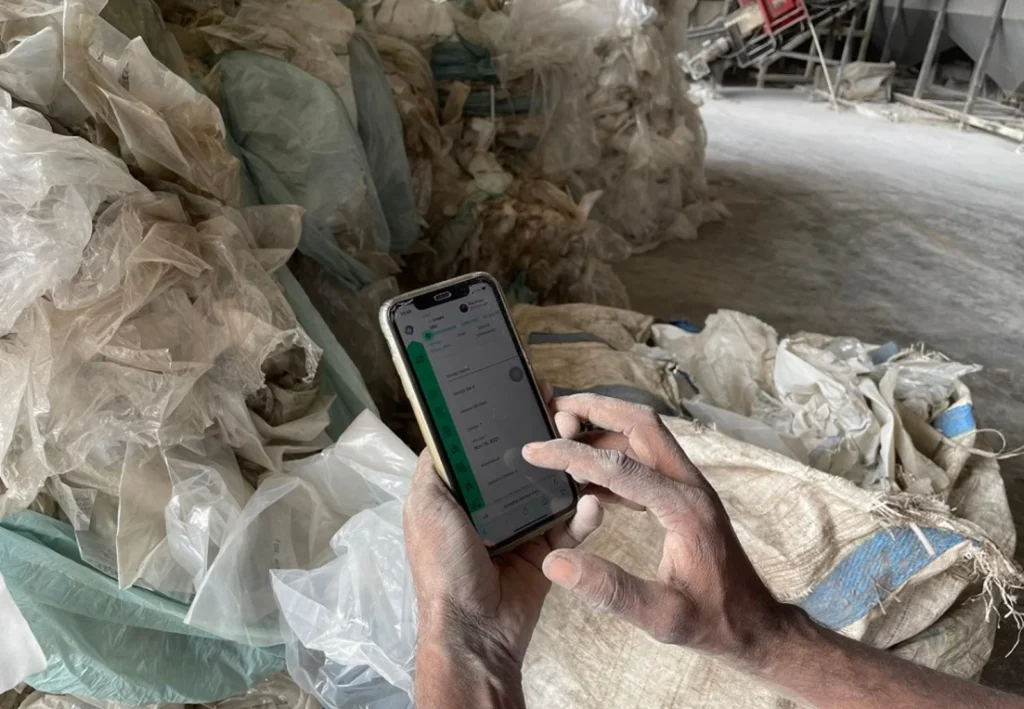
Lucro works through an integrated recycling ecosystem covering collection, sorting, washing, recycling and recycled-granule production.
For automotive manufacturers, this integrated approach can provide better control over:
- feedstock quality;
- contamination levels;
- processing consistency;
- recycled-content traceability; and
- batch-level material control.
Lucro‘s PCR and ELV-based Recycled Polypropylene solutions can be developed around automotive application requirements rather than treating recycled resin as a generic commodity.
For OEMs and Tier suppliers, this is increasingly important. The objective is not simply to increase recycled content, but to use automotive recycled plastics that meet technical requirements reliably and repeatedly.