Shrink wrap and stretch wrap are often spoken about as if they are interchangeable. They aren’t. Both are flexible packaging films used to protect and secure products, but the way they work, and the job each one is best suited for is quite different.
For manufacturers, warehouses, distributors and logistics businesses, choosing between the two is less about which film is “better” and more about what needs to be packed. Is the requirement to tightly bundle individual products for retail or transit? Or is it to stabilise a full pallet before it leaves the warehouse?
Understanding that difference can save material, improve load stability and make packaging operations far more efficient.
What is Shrink Wrap?
Shrink wrap is a polymer film that contracts when controlled heat is applied. The film is first placed loosely around a product or group of products and then passed through a heat tunnel or exposed to another suitable heat source. As it shrinks, it conforms closely to the shape of the product, creating a compact protective covering.
This makes shrink wrap particularly useful for bundling multiple products together and protecting goods against dust, dirt and handling during storage or transportation.
Businesses sourcing material from a shrink film manufacturer should look beyond film thickness alone. Shrink performance, sealing behaviour, strength, clarity and compatibility with the existing packaging line all matter when the film is being selected for an industrial application.
What is Stretch Wrap?
Stretch wrap works differently. Rather than using heat, the film is stretched around a product or pallet. Its elastic recovery creates tension around the load, helping hold cartons, bags or other products together during handling, storage and transportation.
It is especially common in palletisation because it can secure a large load quickly without requiring a heat tunnel. Depending on throughput, stretch film can be applied manually or through automated and semi-automated wrapping equipment.
A stretch film manufacturer may therefore offer different grades for hand wrapping and machine wrapping, as the performance requirements are not necessarily the same. Film stretchability, puncture resistance, holding force and load stability become particularly important in high-volume industrial operations.
Key Differences Between Shrink Wrap and Stretch Wrap
The easiest distinction is the method of application: shrink wrap uses heat to contract around the product, while stretch wrap relies on tension and elasticity to secure the load.
That difference affects where each film works best.
Factor | Shrink Wrap | Stretch Wrap |
Application | Heat shrinks film around the product | Film is stretched around the load |
Heat required | Yes | No |
Common use | Bundling and product protection | Pallet and load securing |
Equipment | Sealers/heat tunnels may be used | Hand or machine wrappers |
Fit | Tight, product-conforming finish | Tension-based load containment |
Typical B2B requirement | Product/bundle packaging | Warehousing and transportation |
For procurement teams comparing a shrink wrap manufacturer with a stretch wrap manufacturer, these operational differences should come before simply comparing price per kilogram.
Which Industries use which?
Shrink film is commonly suited to businesses that need products bundled into defined units—for example, beverage multipacks, bottles, cans and other grouped products.
Stretch film is more closely associated with warehouses, manufacturing plants, distribution centres and logistics operations where palletised goods need to remain stable in transit. Stretch wrapping can be performed manually or with pallet-wrapping machinery depending on the volume and consistency required.
Some businesses will naturally require both. A manufacturer may use shrink film to create product bundles on the production line and then use stretch film to secure multiple cartons or bundles onto a pallet for dispatch.
How to Choose the Right Packaging Film for Your Operations
The decision should begin with the application, not the film. Businesses should consider the size and shape of the product, load weight, transport conditions, required holding force, packing-line speed and whether existing equipment supports heat shrinking or automated stretch wrapping.
Film consumption matters as well. Using a heavier film than an application requires can increase packaging consumption without necessarily improving performance. On the other hand, moving to a thinner specification without considering puncture resistance, holding force or load conditions can create problems further down the supply chain.
This is where working with an experienced flexible packaging manufacturer becomes valuable. Film specifications can be matched to the actual packaging line and load rather than selected as a standard, one-size-fits-all material.
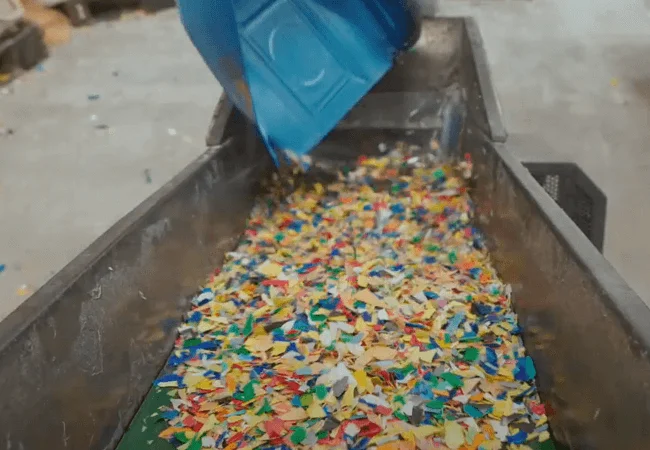
Sustainability requirements are increasingly part of that conversation too. Where technically suitable, options such as recycled shrink film in India and films containing post-consumer recycled material can help businesses introduce recycled content into secondary and tertiary packaging applications.
Lucro’s Shrink Wrap and Stretch Wrap Range
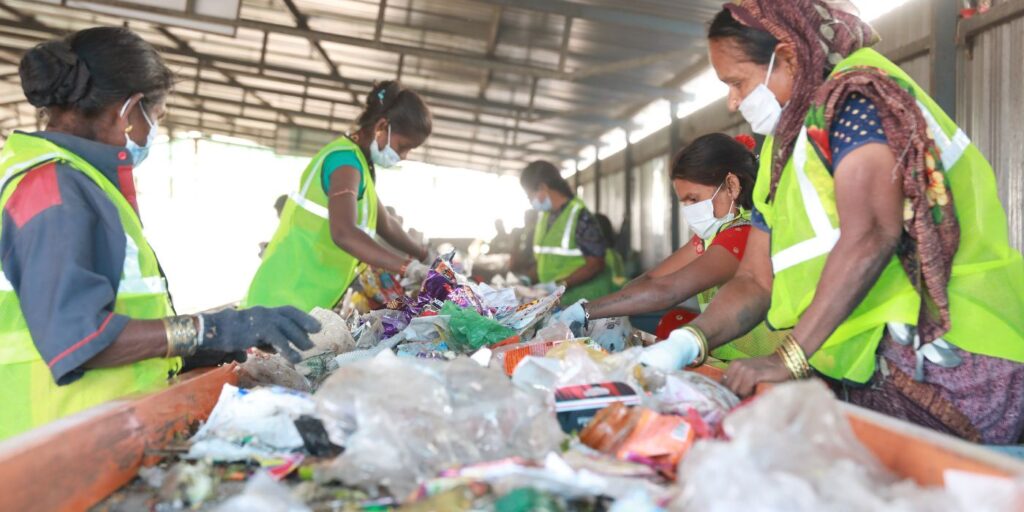
Lucro approaches flexible packaging from both a manufacturing and circularity perspective. Its shrink and stretch film solutions are designed around the actual performance requirements of industrial packaging applications, while its recycling capabilities support the wider objective of bringing recovered plastic back into productive use that also enables EPR fulfillment.
For businesses evaluating a PCR stretch wrap manufacturer or shrink film with recycled content, the discussion should not stop at recycled content percentage. Consistent film performance, strength, processability and suitability for the intended application remain essential.
Conclusion
The difference between shrink wrap vs stretch wrap is straightforward once the application is clear. Shrink film contracts around products with heat and is well suited to bundling and protective wrapping. Stretch film uses tension to secure goods and is particularly effective for palletisation and transport.
For a business, the right choice comes down to what is being packed, how it moves through the operation and what performance is expected from the film. Getting those factors right first makes film selection much simpler, and helps packaging do what it is actually supposed to do: protect the product without adding unnecessary complexity or material.