As conversations around sustainability continue to grow, so does the need to understand how different waste management practices contribute to a cleaner future. Terms like recycling, upcycling, and downcycling are often used interchangeably, but they represent different approaches to extending the life of the materials.
Knowing the recycling meaning and how it differs from other methods helps individuals and businesses make more informed choices about managing waste materials. It also emphasises how innovations in plastic recovery are supporting a more circular economy, where valuable resources remain in use for as long as possible.
What Does Recycling Mean?
“Recycling” meaning refers to the process of collecting, sorting, processing, and transforming used materials into new products. Instead of relying completely on virgin raw materials, recycling allows valuable resources to re-enter the production cycle. This practice supports responsible waste recycling by reducing resource consumption and improving material efficiency.
Many materials, including paper, glass, metals, and certain plastics, are recyclable, meaning they can be collected and processed for reuse. Once they go through the recycling process, they become recycled materials that can then be used to manufacture new products, helping conserve resources and support a circular economy.
Examples of Recycling
Some of the most common recycling process examples include:
- Converting used or discarded bottles into new packaging materials
- Recycling aluminium cans into new beverage containers
- Turning waste papers into notebooks, journals, or cardboard packaging
- Processing glass bottles into new glass products
These examples demonstrate how materials can continue to serve useful purposes even after their initial uses.
Benefits of Recycling
Recycling offers several environmental and economic advantages:
- Conserve natural resources
- Reduce the need for virgin raw materials
- Supports efficient waste recycling systems.
- Lowers overall energy consumption used while manufacturing
- Aids in reducing pollution associated with resource extraction.
- Reduces the amount of waste sent to landfills, helping minimise environmental pollution.
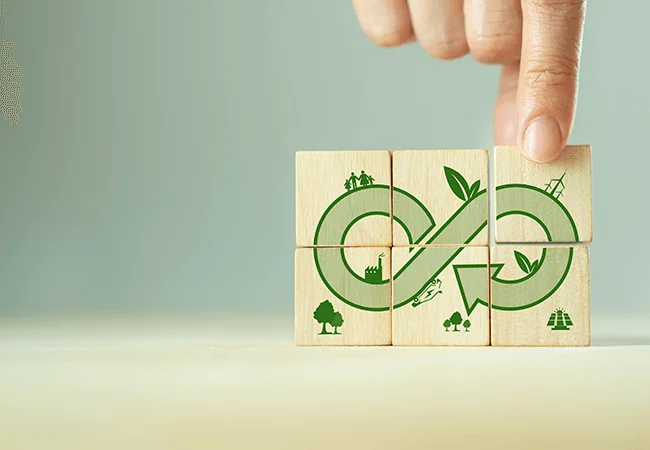
- Supports a circular economy by keeping valuable materials in use for longer.
Understanding the recycling meaning also encourages responsible consumption and better waste segregation practices.
What is Upcycling?
The upcycling meaning refers to transforming used materials into products with equal or greater value without breaking down the material completely. Unlike recycling, upcycling focuses on preserving much of the original material while giving it a new purpose through manufacturing.
Examples of Upcycling
Some examples of the upcycling process include:
- Turning old wooden pallets into furniture
- Converting used glass jars into decorative storage containers
- Creating bags and pouches from used fabric
- Turning wine corks into coasters
- Transforming plastic packaging into durable utility products.
Benefits of Upcycling
The upcycling meaning goes beyond reuse by creating products that often have higher functional or aesthetic value.
Key benefits include:
- Reduces demand for new raw materials.
- Extends the useful life of existing materials.
- Encourages creativity and product innovation.
- Supports circular economy principles.
- Often requires less processing than conventional recycling.
What is Downcycling?
Downcycling occurs when materials are recycled into products of lower quality or reduced functionality than the original material. Unlike upcycling, downcycling usually results in products that cannot be recycled indefinitely.
Examples of Downcycling
- High-quality food-grade plastics converted into textile fibres
- Mixed plastics processed into park benches.
- Recycled paper becomes tissue paper after multiple cycles.
- Construction debris transformed into road base material.
Challenges of Downcycling
Although downcycling keeps materials in circulation, it presents certain limitations:
- Quality of the materials often declines over time
- Some of the products cannot be recycled properly repeatedly
- Additional virgin material may eventually be required.
- End-of-life options become more limited after several cycles.
- The reduced material quality limits its applications, making it unsuitable for high-performance or food-grade products.
Upcycling vs Recycling vs Downcycling
Aspect | Recycling | Upcycling | Downcycling |
Purpose | Cpnverting used products into new products | Creating products of high value from the original material | Converting materials into lower-value products than the original |
Material Quality | Generally maintained after processing | Often improved through creative reuse | Gradually reduced quality over time |
Processing Required | Moderate industrial processing | Minimal to moderate processing | Industrial processing |
Environmental Impact | Conserves resources | Extends products lifespan | Extends material use but with limitations |
Example | Plasting bottles into new packaging material | Furniture from reclaimed wood | High-quality plastic bottles into synthetic fibres |
Value Addition | Restores materials for reuse | Increases the product’s functional or aesthetic value | Reduces the material’s value after processing |
Contribution to Circular Economy | High | High | Moderate |
Which Method Supports a Circular Economy Best?
A circular economy aims to keep materials in continuous use while reducing dependency on virgin resources. All three approaches contribute in different ways:
- Upcycling preserves material value whereven possible
- Recycling returns materials to manufacturing as new raw materials.
- Downcycling ensures materials to be in continuous use even when higher-value recycling is no longer feasable.
An effective circular economy combines all three methods based on the type and condition of available waste materials.
The Role of Advanced Plastic Recycling
Advanced plastic recycling has improved the way post-consumer waste is collected, sorted, and processed into high-quality raw materials. These innovations strengthen the recycling process, increase material recovery, and help manufacturer reduce their reliance on virgin plastics by incorporating post-consumer recycled content into new products.
How Lucro Helps Keep Plastics in Circulation
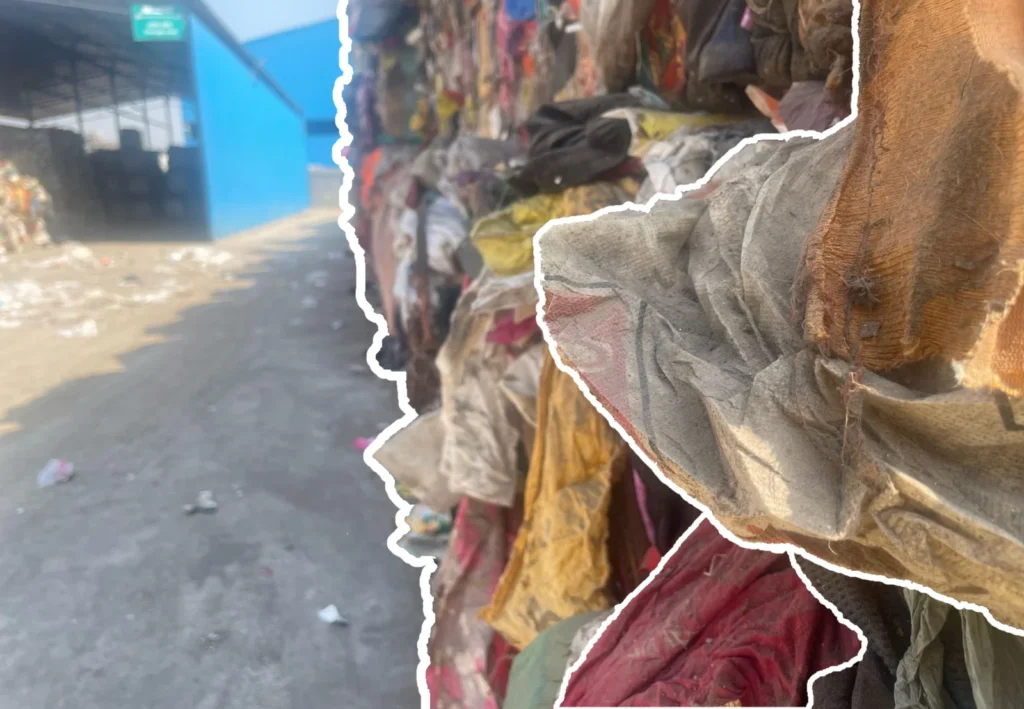
Lucro supports India’s circular economy by recovering post-consumer waste thorugh an organized collection network that works closely with safai-saathis and other ecosystem partners. The recovered plastics are processed into high-quality post-consumer recyclate (PCR), post-consumer recycled granules, and post-consumer recycled resin, allowing manufacturers to create new products without having to rely solely on virgin materials. By combining advanced recycling capabilities with innovative material recovery, Lucro contributes to keeping plastics in continuous use and advancing a more sustainable future.
Conclusion
Understanding the recycling meaning is essential for making informed decisions about resource conservation and sustainable waste management. While recycling, upcycling, and downcycling each play different roles, they all contribute to extending the life of valuable materials and reducing environmental impact. As technologies continue to improve, businesses are helping strengthen circular systems by transforming post-consumer plastics into high-quality recycled materials that support long-term resource efficiency.