Every time you buy a bottled drink, you are also buying a piece of plastic that has to go somewhere once it’s empty. Most of the time, it ends up in a bin, a drain, or a landfill, not because people don’t care, but because there’s rarely an easy, rewarding way to return it. This is the exact gap a Deposit Return System in India is designed to close.
A DRS works on a simple idea: give people a small refundable deposit, and they’re far more likely to bring their used beverage containers back instead of letting them go to waste. Once those containers come back, they’re sorted, processed, and fed back into the recycling ecosystem, building a cleaner, higher-quality stream of recycled material instead of losing it to the environment.
India has only recently started exploring what a digital version of this model could look like, but the early pilots have already made one thing clear: when technology is paired with real community involvement, plastic waste collection improves, and the country takes a real step toward a circular economy.
What is a deposit return system?
A deposit return system (DRS) runs on a pretty simple idea: when you buy a beverage or a packaged product, you pay a small refundable deposit along with it. You then receive your deposit back when you finish and return the empty bottle, can, or pouch to a specified collection point.
The objective is simple: encourage consumers to return packaging instead of allowing it to end up mixed with other waste streams. Since the collected containers remain cleaner and better segregated, they become more suitable for recycling and converting into high-quality PCR plastic (post-consumer recyclate).
Many countries have already achieved return rates exceeding 80-90% through well-managed DRS programmes. India is now taking important steps towards adopting a similar system.
How Does DRS Work?
While the exact mechanics vary by state and operator, most Deposit Return Systems in India follow a similar sequence:
- Deposit added at purchase: A small refundable deposit gets added to the price when you buy a beverage container.
- Container tracked (in digital models): In digital DRS setups, each eligible container carries a unique QR code, so it can be tracked all the way from production to the moment it’s returned.
- Consumer returns the empty container: Once you’re done, the container goes back through a designated collection centre or a Reverse Vending Machine network. Where QR codes are in use, they help confirm the container is eligible for a refund.
- Receive the Deposit: Once it’s verified, you get your deposit back, usually digitally, though some setups use other approved payment methods.
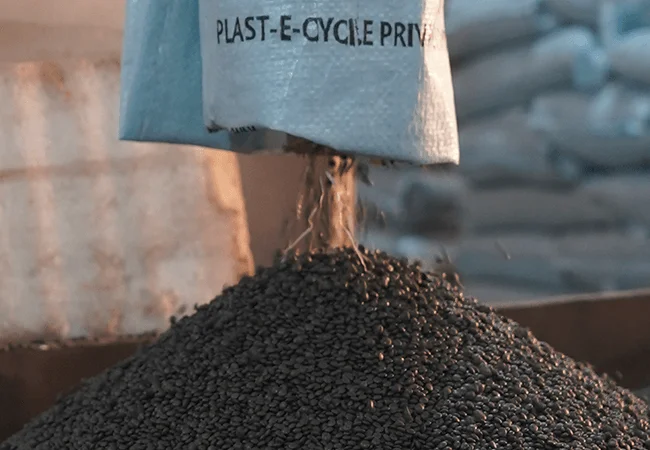
- Collection and Upcycling: The post-consumer waste that’s collected is sorted, processed, and upcycled into valuable raw material like post-consumer recycled resin, which can then be used to manufacture new packaging and recycled plastic products.
Why India needs a DRS now
India generates an enormous amount of plastic waste every year, and a large part of it is genuinely hard to collect and recycle through the conventional municipal system. That’s exactly why efficient plastic waste collection matters more today than ever. Recycling infrastructure in the country has been improving, but getting hold of clean, well-segregated post-consumer waste is still one of the biggest hurdles the industry faces. A well-designed DRS can help waste management companies in India improve access to cleaner, segregated material while strengthening the overall ecosystem for plastic waste management in India.
A DRS helps address several issues by:
- Increasing collection rates of beverage containers.
- Enhancing recycled materials’ quality.
- Reducing litter in public places.
- Supporting the production of high-quality PCR plastic.
- Encouraging greater consumer participation in responsible waste management.
As India strengthens its circular economy goals and Extended Producer Responsibility (EPR) framework, DRS can become an important supporting mechanism in the future.
Goa’s Digital DRS – India’s First
Goa has recently introduced India’s first digital Deposit Return System for beverage packaging through a pilot initiative. The programme uses QR code-enabled packaging that allows consumers to return eligible bottles and receive their deposit digitally. This initiative showcases how digital technology can improve traceability, simplify collection, and encourage greater public participation in the recycling process. This highlights the importance of technology in making plastic recycling more efficient while improving collection quality.
The scheme has set ambitious targets, aiming for a 50% return rate in its second year and up to 90% by its fourth. If it works at scale, Goa’s model could become a reference point for other states to adopt similar frameworks.
Lucro’s Deposit Return Initiative in Baramati
While Goa’s scheme is still scaling up, a version of this model has already been running successfully on the ground for a few years in Baramati, Maharashtra, led by Lucro Plastecycle.
What makes this initiative distinct is that most deposit return systems focus only on rigid plastics like bottles, cans, and cartons that are relatively easy to recycle. Lucro extended that model to flexible plastics as well, covering items like milk and bread pouches and mailer bags, which are typically far harder to collect and recycle. This approach demonstrates how recyclers of India can expand collection beyond conventional rigid packaging and make plastic waste recycling more inclusive of difficult-to-recover materials.
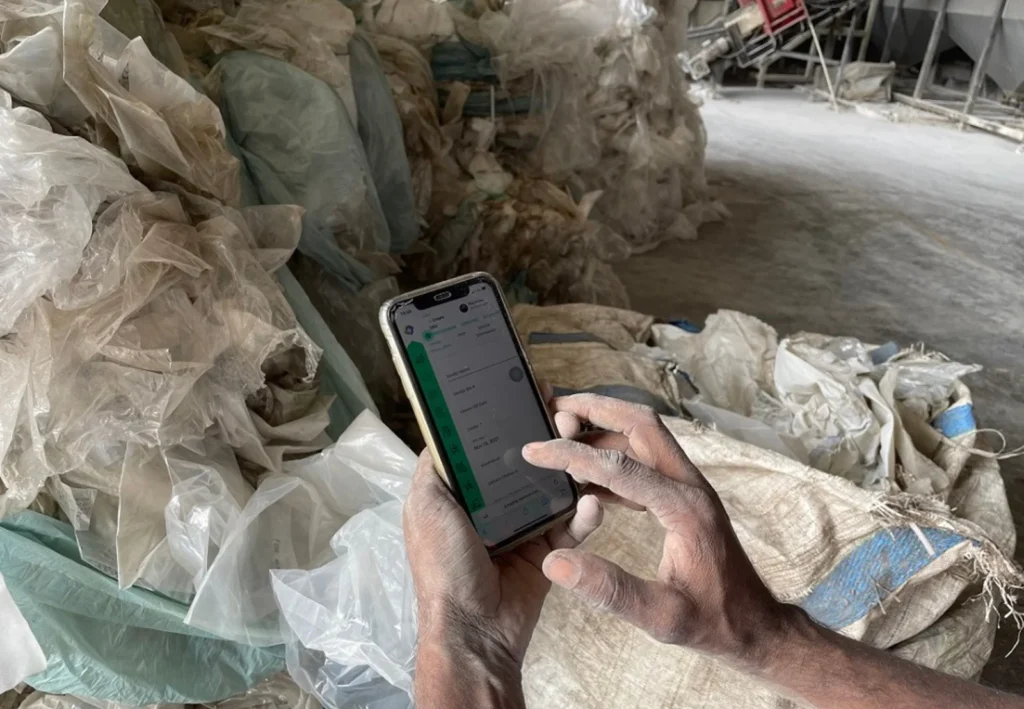
Working closely with local Nagar Palika, Lucro set up collection booths across Baramati where residents can bring their post-consumer waste and receive an immediate digital payment based on rates displayed outside each booth. Every transaction is recorded, and residents are shown the entire recycling and/or disposal process of what will happen to their specific waste to build trust and awareness at the same time.
DRS and EPR: How they connect
DRS and EPR aren’t competing systems; they are designed to work together.
India’s Extended Producer Responsibility (EPR) framework requires producers, importers, and brand owners to ensure that plastic packaging is collected and responsibly processed after use. A deposit return system complements these responsibilities by improving collection efficiency and material quality. This creates a stronger link between plastic recycling and waste management, helping plastic recycling companies in India access better-segregated post-consumer material. Higher recovery rates can also help businesses meet their EPR obligations while generating eligible EPR plastic credits through authorised recycling processes.
Conclusion
A Deposit Return System is, at its core, a simple idea: give packaging a value that motivates people to bring it back rather than let it end up in the environment. India is now seeing this idea play out in two complementary ways: With a successful initiative such as Goa’s digital DRS and Lucro’s Baramati programme, which has quietly proven that even hard-to-recycle flexible plastic can be collected efficiently when the incentives and infrastructure are right.
As more states and businesses explore DRS, the bigger opportunity is building a genuinely circular system, one where post-consumer waste doesn’t just get collected, but is reliably upcycled back into the products we use every day.