What is PCR plastic?
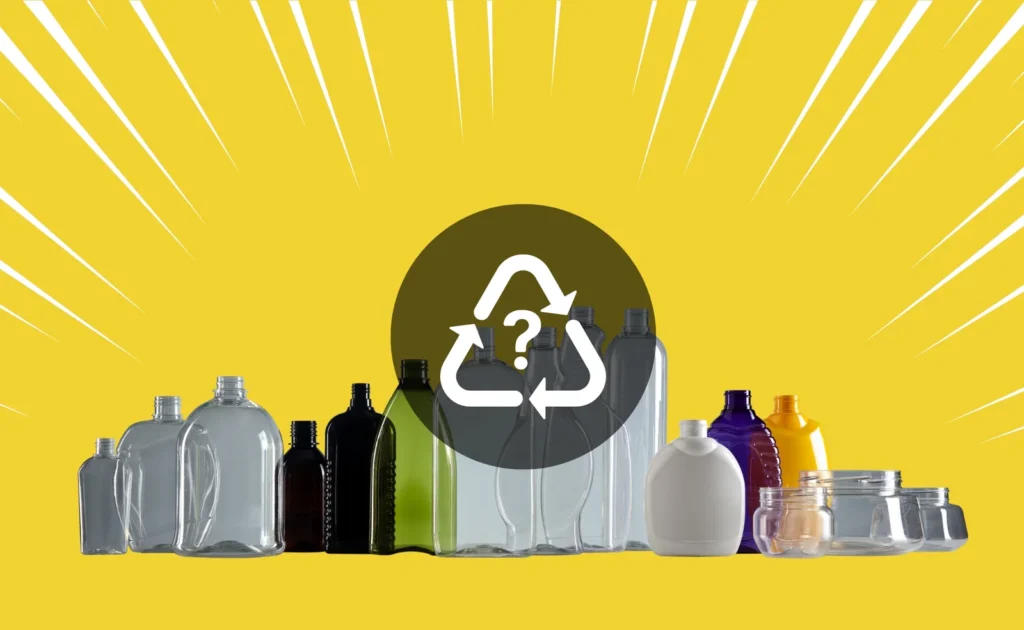
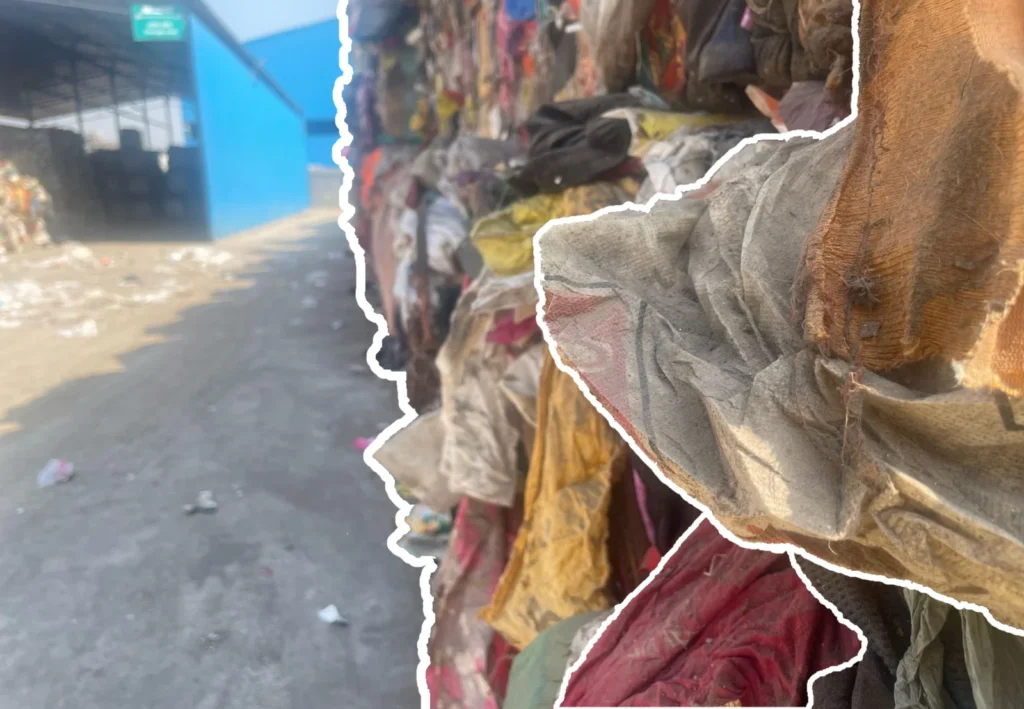
PCR plastic (Post-Consumer Recycled) is plastic recovered after it has been used by consumers and entered the waste stream. Common sources include products that have completed their first life with a consumer: bottles, containers, films, and other packaging. It differs from recycled plastic in general, which is a broader term covering both post-consumer material and post-industrial scrap generated during manufacturing, before a product ever reaches a customer. PCR is a subset: material that has genuinely closed a consumer-use loop, then been collected, sorted, cleaned, and reprocessed into granules ready for a new production run. For a brand owner, that distinction matters because most recycled-content regulations and sustainability disclosures specifically track PCR percentage, not recycled content in general.
The growing pressure on FMCG brands in India
India’s amended Plastic Waste Management Rules mandate minimum recycled content in packaging on a phased timeline. Rigid packaging (Category I) must use 30% recycled content in 2025–26, rising to 40% by 2026–27, 50% by 2027–28, and 60% from 2028 onward. Flexible packaging (Category II) is held to 10% through 2025–27, stepping up to 20% after that, while multi-layered packaging (Category III) moves from 5% to 10% over the same period. These targets sit within the Extended Producer Responsibility (EPR) framework, which places responsibility for environmentally sound plastic management on producers, importers, and brand owners. For FMCG teams running high-volume packaging lines, meeting these thresholds isn’t optional — it’s a compliance requirement with environmental compensation penalties attached for falling short.
Key reasons brands are switching to PCR
Regulation is only one driver. Retailers and export markets increasingly ask suppliers for documented PCR content before onboarding, and consumer sentiment has shifted too, with sustainability credentials now factoring into purchase decisions across household and personal care categories. On the cost side, PCR resin sourced from a reliable Manufacturer of Plastic Granules can help stabilise input costs against the volatility of virgin polymer pricing tied to crude oil. For brands with public sustainability commitments, PCR content is also one of the few packaging metrics that’s directly measurable and auditable.
Does PCR plastic match virgin plastic in quality?
The answer depends on the quality of the PCR, the application and the percentage of recycled content used. When post-consumer waste is properly sorted, washed, and reprocessed into granules it can deliver consistent performance across a wide range of packaging applications.
Properties such as strength, seal performance and load-bearing can vary depending on the source material and PCR formulation. This is why brands and converters should evaluate PCR against application specific requirements and work with suppliers that provide consistent grades, technical specifications and batch level testing. The real determinant isn’t PCR versus virgin; it’s whether the granule supplier tests each batch and backs it with a technical data sheet, so the converter knows exactly what they’re running before it reaches the line.
Industries already using PCR packaging in India
PCR packaging has moved well beyond pilot projects. FMCG packaging for detergents and household cleaners, personal care bottles, and flexible films now routinely specifies PCR content. Logistics and e-commerce use PCR-based mailer bags and bundling rolls, hospitality relies on PCR laundry and bin liners, and agriculture uses PCR in mulch film, nursery bags and even drip tapes. Rigid caps, closures, and moulded components across these industries increasingly specify Recycled Polypropylene for consistent performance under heat and repeated handling. Retail carry bags — soft loop, die-cut, and vest-style formats — are another high-volume category where PCR adoption has become close to standard practice for large chains.
Lucro’s PCR-based packaging solutions
Lucro is a Plastic waste recycler in India and Recycled Plastic Packaging Manufacturer that offers high-performance flexible packaging lines for industrial and retail applications with PCR content ranging from 30% to 100%. The industrial packaging range includes PCR shrink films, stretch wraps, bundling rolls, polypouches, rPP woven sacks and other packaging solutions that are fully customisable and recyclable at the end-of-life. The retail packaging range offers a wide variety of polybags, mailer bags, poly pouches and carrier bags that are fully customisable to ensure efficient branding.
Along with PCR packaging, Lucro also manufactures rLDPE based automotive covers for seats, steering, fender grills, gears, etc. with customisable branding and PCR content added as per customer specification.
Every format is built on Lucro’s own Post-consumer recycled resin in India. Lucro PCR material is produced from household waste that is collected through its collection network in India.
For brands looking to switch to PCR, the focus should be on more than just the percentage of recycled content. Material consistency, traceability, technical specifications, testing, and supply capacity are equally important when qualifying a PCR supplier.
The right time to switch is now
With recycled-content thresholds already in force and rising on a fixed schedule, waiting to switch only compresses the runway for testing, requalifying packaging lines, and building supply continuity. Brands that start sourcing PCR granules and PCR-based packaging now have more room to validate performance against their own specifications before the next compliance step lands. For FMCG teams evaluating suppliers, the working question isn’t whether to move to PCR — it’s which Recycled Plastic Granules partner can deliver consistent, tested post-consumer recycled resin at the volumes their packaging lines need.