India’s plastic waste management framework is evolving rapidly now, and Extended Producer Responsibility (EPR) sits right at the centre of that shift. If your business places plastic packaging in the market, EPR is no longer something you can work around; it’s a compliance requirement with real consequences. As the rules get stricter, more brands are turning to EPR credits, also known as plastic credits, as a workable way to meet their targets while still backing genuine plastic recovery on the ground.
This matters even more for sectors like e-commerce, FMCG, retail, healthcare, and consumer goods. India’s e-commerce boom, in particular, has quietly become one of the biggest drivers of flexible packaging demand like stretch wraps, courier bags, mailer bags, polybags, all of it moving at scale. If you’re in that space, understanding how EPR plastic credits in India work is increasingly important.
So let’s break down what plastic credits actually are, how the system works, and how brands can fold them into a real EPR compliance strategy.
What are Plastic Credits?
Plastic credits are transferable EPR certificates issued for plastic waste that’s actually been collected, processed, and recycled. Under the CPCB’s EPR credits system, eligible recyclers can generate these credits once their recycling follows CPCB guidelines, and then pass them on to businesses still working toward their EPR targets. They’re not meant to replace sustainable packaging; instead, they encourage greater collection and upcycling of post-consumer waste while supporting the work of plastic recyclers in India.
How the plastic credit system works in India
The CPCB EPR plastic framework was built to keep the whole process transparent and traceable. Here’s how the system typically works:
- Plastic packaging waste gets collected as post-consumer waste, often through authorised collection partners, waste management companies in India, and safai-saathis working on the ground.
- From there, the material gets sorted and recycled by recyclers of India into usable outputs, like post-consumer recycled granules (PCR) and other recycled materials.
- Once authorised recyclers upload their recycling data to the CPCB portal, it goes through a verification process, and once that’s cleared, the eligible plastic credits get generated.
- Brands still working toward their EPR obligations can then buy these credits to help meet their recycling targets.
Who needs to buy plastic credits?
Not every business needs to purchase plastic credits. Companies that introduce plastic packaging into the Indian market and fall under EPR regulations may choose to buy plastic credits India brands can use to meet a part of their compliance requirements.
These may include:
- E-commerce companies using plastic courier and mailer bags
- FMCG brands
- Food and beverage companies
- Retail businesses
- Pharmaceutical companies
- Consumer goods manufacturers
- Importers using plastic packaging
Given India’s rising e-commerce industry, flexible packaging has become one of the largest contributors to plastic packaging use. Businesses using polybags, courier bags, or retail packaging often require effective EPR strategies to remain compliant.
EPR Certificate vs Plastic Credit: What’s the actual difference?
These two terms are often used interchangeably, but they serve different purposes:
| EPR Certificate | Plastic Credit |
| Issued once authorised recycling activity is complete | Represents verified recycling of a specific quantity of plastic waste |
| Used by recyclers to show their recycling performance | Can be transferred to producers, importers, and brand owners for compliance |
| Generated within the CPCB EPR framework | Helps fulfil EPR recycling targets through verified recycling |
Put simply, plastic credits are what you use to meet compliance, while EPR certificates are the proof that recycling actually happened.
How brands can use plastic credits for EPR compliance
A solid EPR plastic strategy takes more than just buying credits off the shelf. Brands first need to sit down and actually map out their packaging footprint, and get a real handle on what their EPR obligations look like before making any moves.
Some practical steps include:
- Assess packaging volumes: Know exactly how much and what kind of plastic packaging you’re putting into the market each year.
- Prioritise sustainable packaging: Many businesses are shifting to packaging that contains 30% to 100% PCR and choosing recycled plastic products, which can reduce virgin plastic use while supporting circularity.
- Work with authorised recycling partners: Collaborating with a trusted Plastic waste recycler in India that actually understands EPR requirements simplify compliance and improve traceability.
- Purchase verified plastic credits: Wherever applicable, businesses can purchase verified plastic credits generated through authorized recycling activities to help meet their EPR targets.
- Maintain proper documentation: Every transaction, certificate, and compliance record should be maintained properly for CPCB reporting.
Lucro’s EPR and Plastic Credit solutions – h2
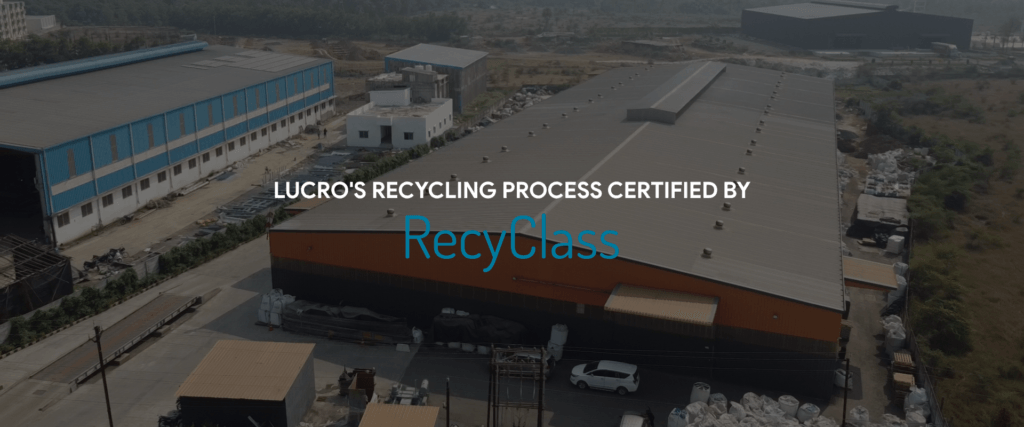
Lucro works with businesses that want to build a stronger, more circular packaging strategy through integrated recycling and packaging solutions. As a recycler plastic granules and flexible packaging manufacturer, Lucro collects post-consumer waste and turns it into high-quality post-consumer recyclate (PCR), including post-consumer recycled granules and channels it back into flexible packaging.
Its packaging range like mailer bags, courier bags, polybags, retail packaging carries 30% to 100% PCR, so brands get a real way to move toward sustainable packaging without giving up on quality. Lucro doesn’t stop at just supplying materials either; it also walks businesses through EPR compliance, offering verified recycling support and plastic credit services that line up with CPCB requirements.
Conclusion
Plastic credits are no longer just a compliance checkbox; they’ve become a genuine working piece of how India’s EPR system functions on the ground. When done right, they reward real collection and upcycling of post-consumer waste, strengthen plastic recycling and waste management efforts, and give businesses a practical, non-disruptive way to meet their obligations without overhauling how they operate.
With packaging demand only climbing, and e-commerce very much leading that charge, combining sustainable packaging with verified EPR compliance isn’t optional anymore; it’s becoming the baseline expectation. Companies that build real partnerships with experienced recyclers and packaging providers will have an easier time staying compliant, and more importantly, they’ll actually move the needle on responsible plastic use.