
India generates millions of tonnes of plastic waste every year, making responsible waste handling a growing national priority. As industries continue to expand and consumption rises, the need for stronger regulations has become more urgent than ever.
To address this challenge, the government has strengthened its plastic waste management rules for 2026. These updates are designed to improve recycling rates, encourage the use of recycled materials, and make producers more accountable for the plastic they introduce into the market.
For manufacturers, packaging companies, and brand owners, understanding these changes is essential for maintaining compliance and supporting long-term sustainability goals.
The PWM rules are a set of regulations introduced by the Government of India to ensure the responsible handling, collection, processing, and recycling of plastic waste. The objectives of the plastic waste management rules are to reduce environmental pollution and promote a circular economy in which plastic materials are used for as long as possible.
These PWM Rules place responsibilities on multiple stakeholders, including manufacturers, importers, brand owners, processors, local bodies, and waste generators such as households, offices, and institutions, to ensure that plastic waste is collected, segregated, and managed effectively after use. While the Plastic Waste Management Rules have a broad scope, the Extended Producer Responsibility (EPR) framework under the PWM Rules is specifically designed for Producers, Importers, and Brand Owners (PIBOs).


The 2026 amendments to India’s plastic waste management rules mark a significant shift from focusing only on waste collection and recycling to actively encouraging the use of recycled materials in new packaging. The updated regulations introduce stricter compliance requirements for Producers, Importers, and Brand Owners (PIBOs) under the Extended Producer Responsibility (EPR) framework.
Some of the most significant changes include:
From FY 2026-27 onwards, manufacturers using rigid plastic packaging, such as bottles, containers, and tubs, must ensure that at least 40% of the material is derived from post-consumer recyclate (PCR) material. The targets continue to increase over the coming years, creating stronger demand for recycled materials and encouraging investments in recycling and upcycling infrastructure.
The amendments strengthen Extended Producer Responsibility (EPR) obligations by requiring Producers, Importers, and Brand Owners (PIBOs) to demonstrate that equivalent amounts of plastic packaging introduced into the market are collected and processed through authorized channels.
Businesses must maintain detailed records of plastic usage, recycled content, collection, and recycling activities. Improved digital reporting and traceability systems are expected to enhance compliance monitoring and transparency.
These changes aim to strengthen India’s overall plastic recycling regulations while encouraging more businesses to adopt sustainable practices in the future.
One of the most important changes is the increased focus on recycling plastic in packaging materials. Businesses are now required to incorporate specified levels of recycled content into their packaging, creating a more reliable market for recycled materials.
The goal is not only to improve recycling rates but also to reduce dependence on virgin plastic derived from fossil fuels. When manufacturers use post-consumer recyclate (PCR)material in new packaging, the materials collected from post-consumer waste gain economic value, making collection and recycling systems more viable and efficient.
Mandatory recycled content requirements also support India’s circular economy goals by ensuring that plastic remains in use for longer rather than becoming an environmental burden. By creating consistent demand for recycled materials, the regulations encourage investments in collection infrastructure, recycling technologies, and upcycling initiatives.
Extended Producer Responsibility remains a central component of the updated plastic waste management rules. Under EPR, producers and business owners are responsible for ensuring that an equivalent amount of plastic introduced into the market is collected and processed through authorized channels.
This is one of the key 2026 amendments of placing greater emphasis on compliance verification, making it increasingly important for businesses to maintain accurate records and work with certified recycling partners.
Another major update is the requirement for better traceability. Organizations are now required to maintain detailed documentation related to plastic collection, recycling, and material usage. Digital reporting systems are expected to play a larger role in helping regulators verify compliance and monitor recycling
The updated plastic waste management rules will have a direct impact on businesses that manufacture, use, or sell plastic packaging.
Key implications include:
For example, an FMCG company selling packaged food or personal care products may need to redesign its packaging to incorporate the required percentage of post-consumer recyclate (PCR) material. Similarly, a beverage manufacturer using rigid plastic bottles may need to source certified recycled resin to meet recycled content targets.
Packaging manufacturers may also need to strengthen partnerships with authorized recyclers and improve tracking systems to ensure compliance with EPR and reporting requirements.
Different waste streams require different handling methods.
Similarly, biomedical waste management and sewage management operate under separate regulations because the risks and treatment requirements are very different.
Addressing these challenges will require collaboration across the entire value chain.
A circular economy focuses on keeping materials in use rather than being waste. By collecting post-consumer waste, improving recycling infrastructure, and increasing the use of PCR materials, businesses can better align with plastic waste management requirements.
Upcycling initiatives also help create higher-value products from recycled materials, reducing dependence on virgin plastic while supporting resource efficiency.
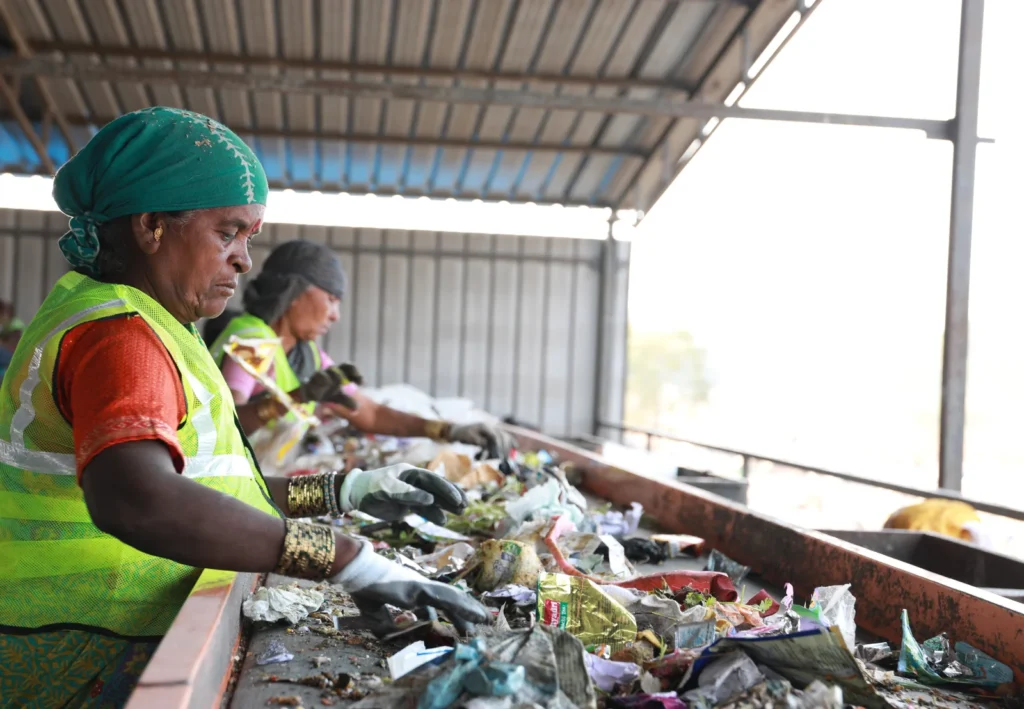
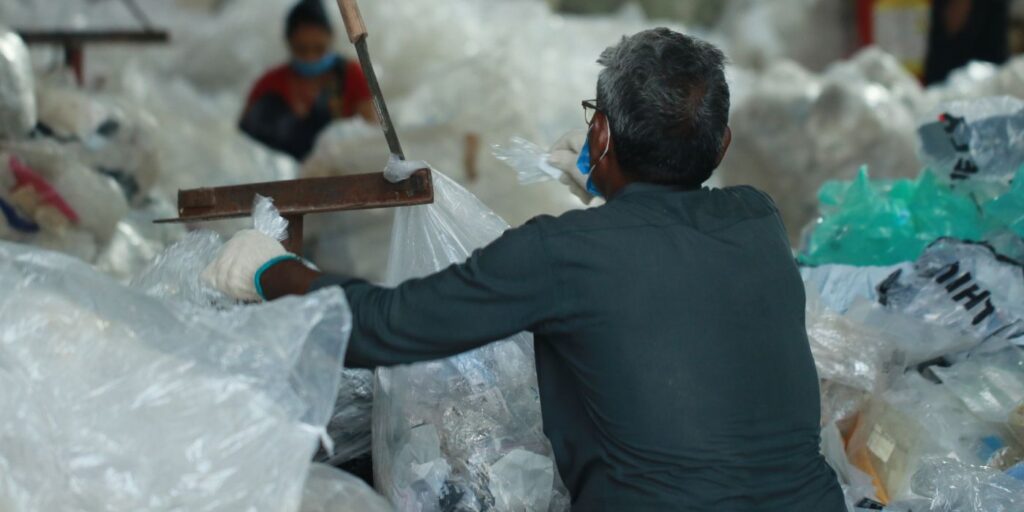
Meeting the requirements of the updated plastic waste management rules requires a strong ecosystem for waste collection, recycling, and the use of recycled materials. Organizations working in this space, like Lucro, help recover post-consumer waste through networks of safai-saathis and collection partners, ensuring that valuable materials remain within the recycling loop.
These efforts support the production of post-consumer recyclate (PCR) material, post-consumer recycled resin, and sustainable packaging solutions that can be used in new products. By strengthening collection, recycling, and upcycling systems, the industry can help businesses meet compliance requirements while contributing to broader circular economy and sustainability goals.
India’s 2026 plastic waste management rules represent an important step toward improving recycling, increasing producer accountability, and supporting a more circular economy.
For manufacturers and brand owners, compliance is no longer just a regulatory requirement; it is becoming a key part of responsible business operations. By investing in recycling, PCR materials, and transparent reporting systems, companies can prepare for the future while contributing to a more sustainable plastics ecosystem.